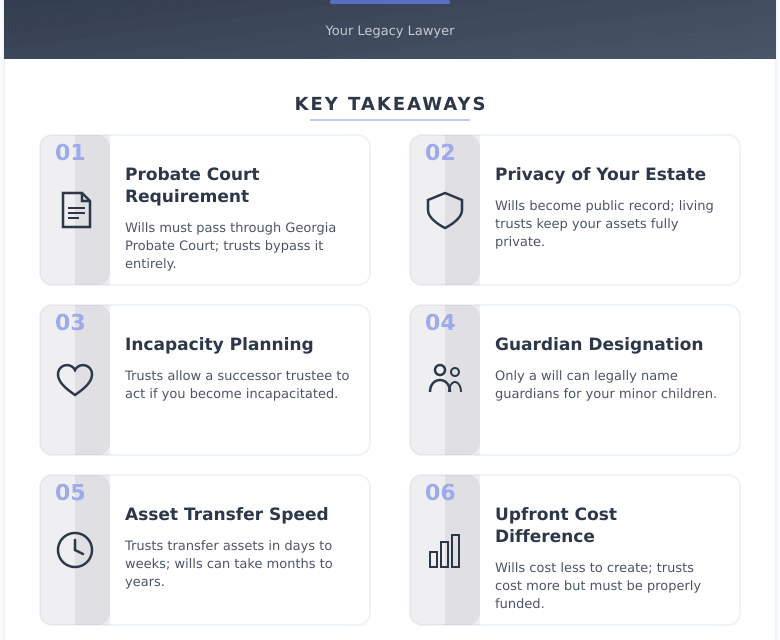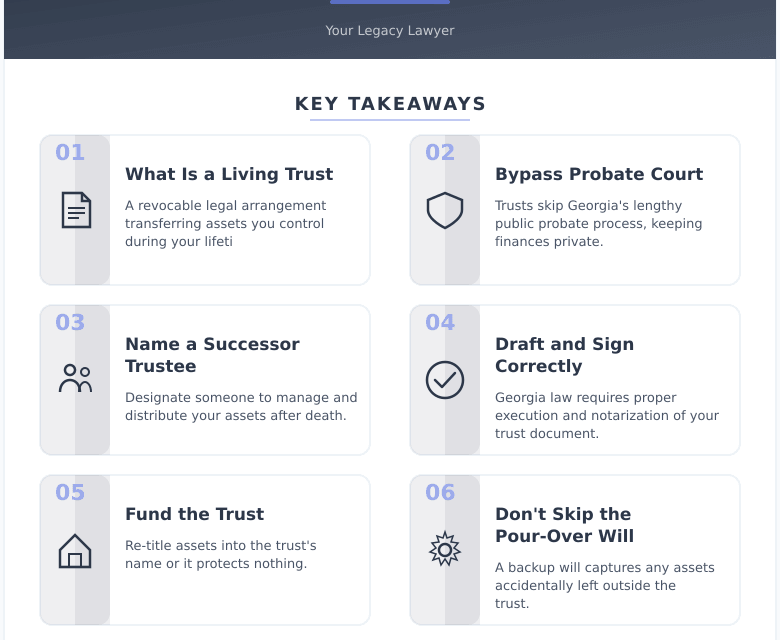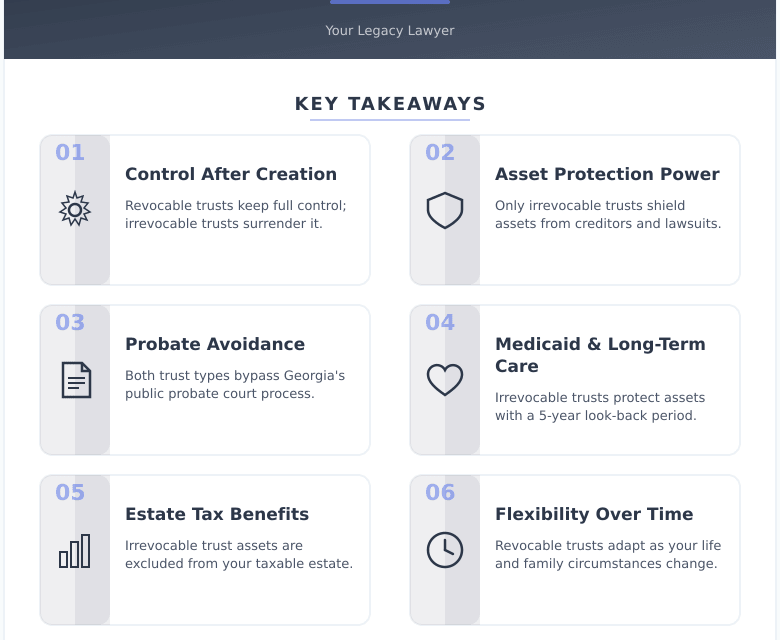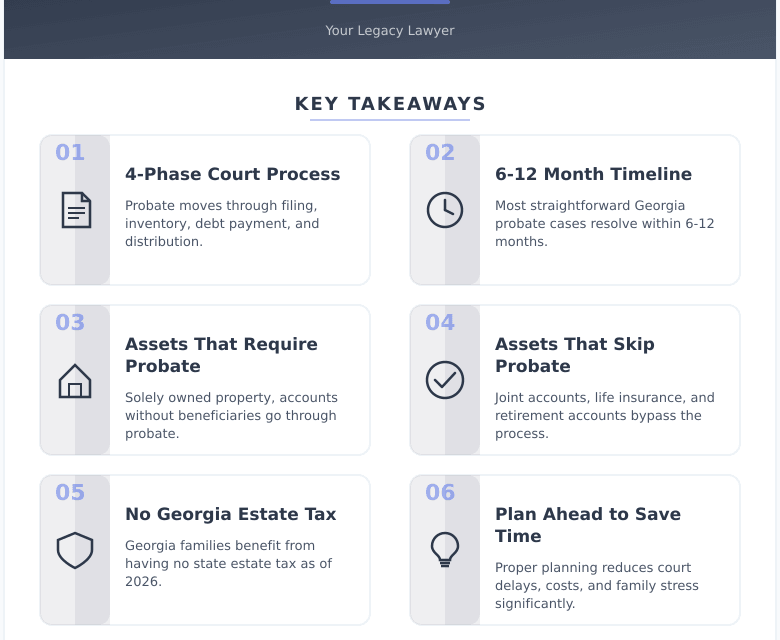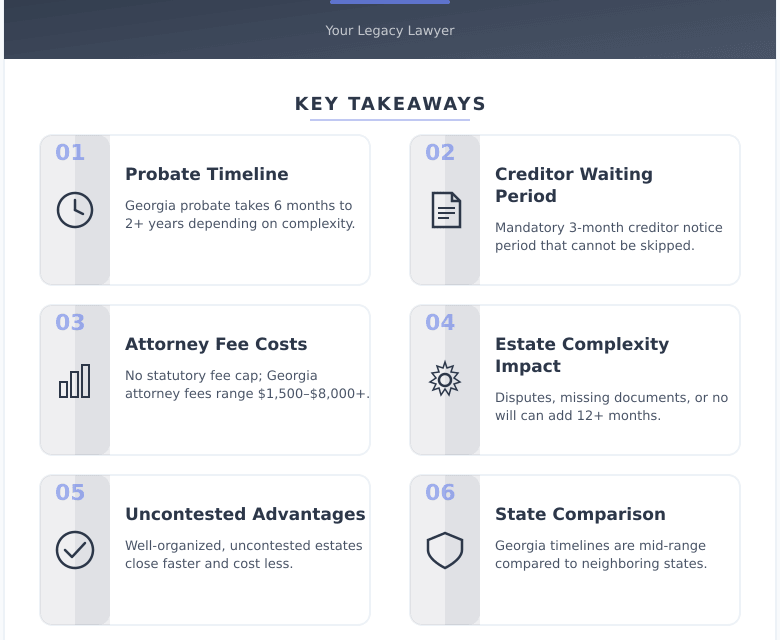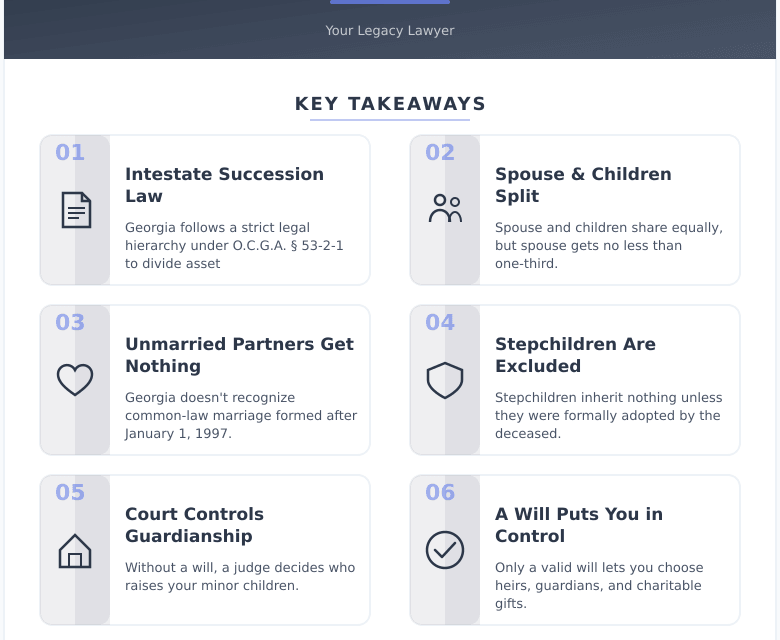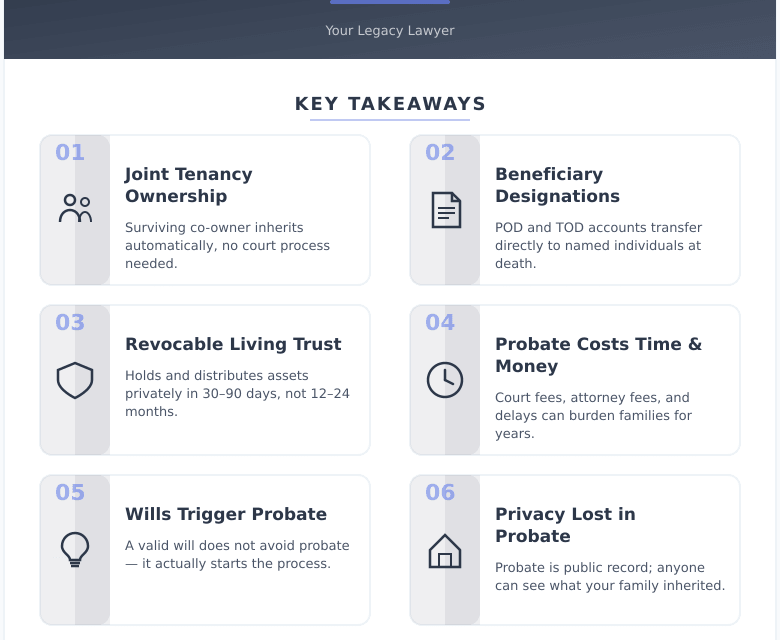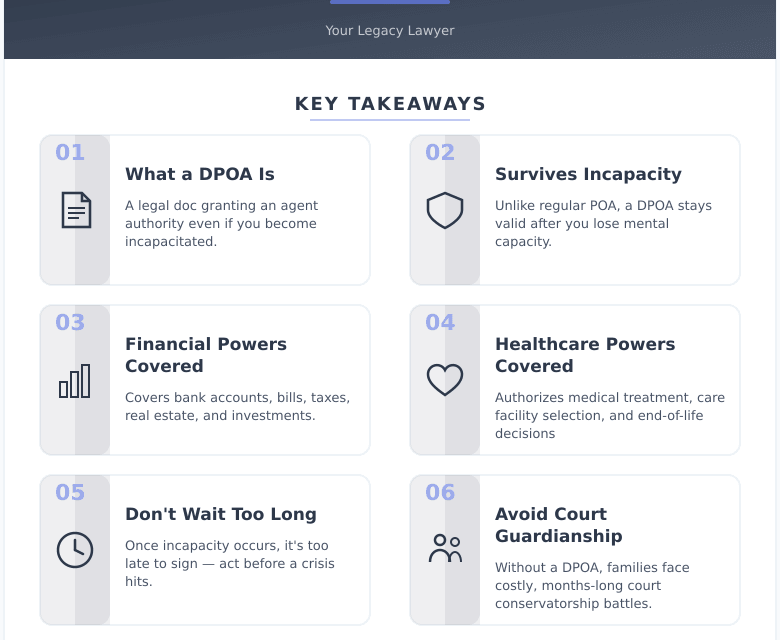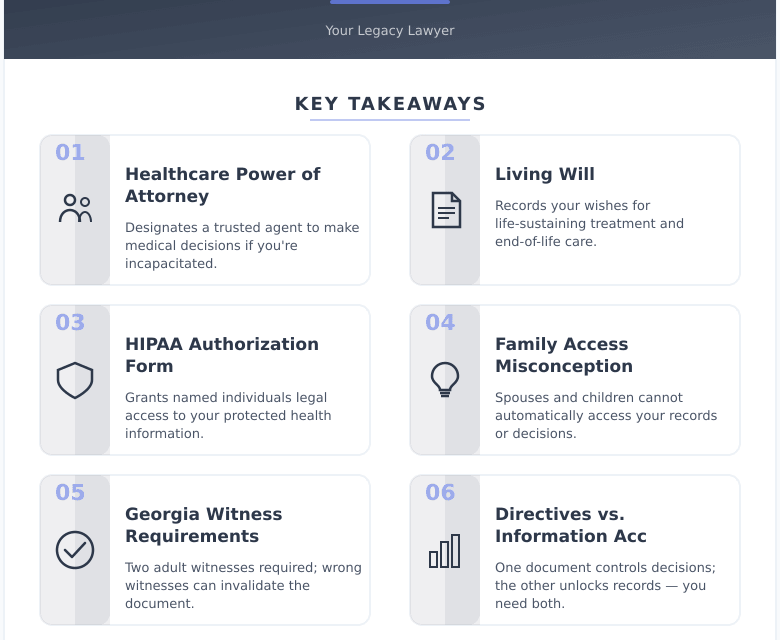
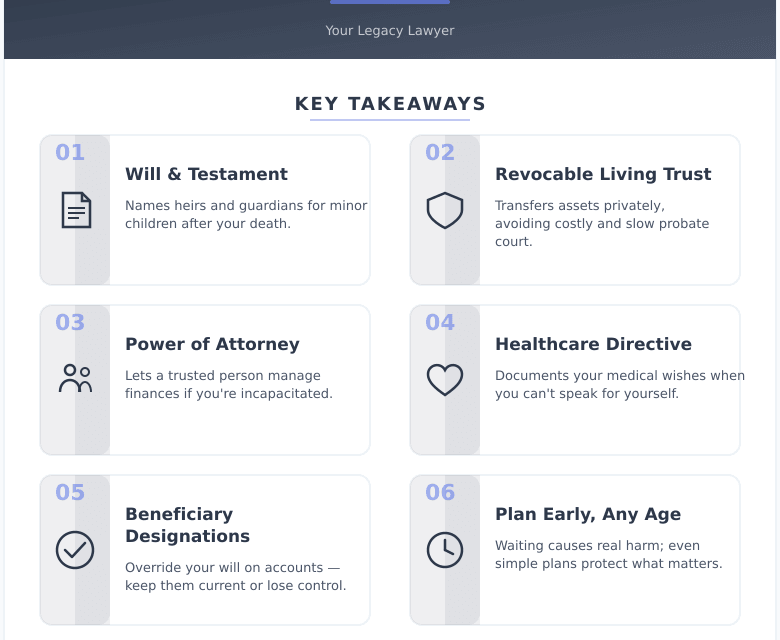
Infographic: Healthcare Directives and HIPAA Forms: What Georgia Families Get Wrong - Key concepts and takeaways

Healthcare Directives and HIPAA Forms: What Georgia Families Get Wrong

July 10, 2026

Healthcare directives and HIPAA authorization forms are two of the most overlooked documents in personal legal planning, yet they serve completely different and equally critical functions. A healthcare directive - including a healthcare power of attorney and living will - gives a trusted person the legal authority to make medical decisions on your behalf when you cannot. A HIPAA authorization form grants that same person access to your medical records so they can actually make informed decisions. Georgia law has specific execution requirements for these documents, including notarization and qualified witnesses, and generic online templates frequently fall short. Without both documents in place, families in the Atlanta area and across Georgia can face blocked medical records, delayed treatment authority, and unnecessary legal conflict during the most stressful moments of their lives. Read More

Infographic: Trustee vs. Executor: Two Roles, One Wrong Choice Can Cost Your Family Everything - Key concepts and takeaways

Trustee vs. Executor: Two Roles, One Wrong Choice Can Cost Your Family Everything

July 3, 2026

A trustee and an executor are two of the most important roles in any legacy plan - and they are frequently confused. An executor settles a person's estate through Georgia probate court, a process that typically runs six months to two years. A trustee manages assets inside a trust privately and often for decades, with no court oversight. Each role demands different skills: executors need organizational follow-through, while trustees need long-term financial judgment and the ability to stay impartial. Choosing based on family tradition rather than capability is the most common mistake. This breakdown covers both roles in plain terms, walks through how to evaluate candidates for each position, and explains when a professional trustee or executor makes more sense than a family member. Georgia-specific rules, compensation norms, and successor planning details are included throughout. Read More

Infographic: The Truth About Contesting a Will That Most Families Learn Too Late - Key concepts and takeaways

The Truth About Contesting a Will That Most Families Learn Too Late

June 26, 2026

Challenging a will in Georgia is possible, but only under specific legal grounds and within strict deadlines. Interested parties such as heirs, named beneficiaries, or those who would inherit under state law can file a contest in probate court based on lack of testamentary capacity, undue influence, fraud, or improper execution. Georgia generally allows four years from the time a will is admitted to probate, though the timeline varies depending on how probate was initiated. Costs typically range from $5,000 to $50,000 or more. Gathering medical records, financial documents, and witness information early is critical. Families serving in the Atlanta area should act quickly and understand the difference between contesting a will and broader probate litigation before making any decisions. Read More

Guardianship vs. Conservatorship in Georgia: What’s the Difference?

June 16, 2026

When a loved one can no longer make decisions for themselves — whether due to age, disability, or incapacity — Georgia’s legal system provides tools to protect that person’s wellbeing and assets. Two of the most important legal mechanisms are guardianship and conservatorship. While these terms are sometimes used interchangeably, they serve different purposes under Georgia law. Understanding the difference is essential for families, caregivers, and anyone planning for future care. 

Read More

Can Probate Be Avoided in Georgia? — Your 2026 Estate Planning Guide 

June 2, 2026

If you’re planning your estate in Georgia, one of the most common questions is: “Can probate be avoided?” The quick answer is yes — probate can often be avoided or minimized with smart planning. However, whether probate applies depends largely on the kinds of assets you own and how they’re structured. Knowing how to avoid probate can save your family time, reduce costs, and help your estate transfer smoothly after your death. 

Read More

Planning for Incapacity: Powers of Attorney in Georgia

May 26, 2026

Planning for incapacity is a critical part of any estate planning strategy in Georgia. Incapacity planning ensures that your financial affairs, legal matters, and healthcare decisions are managed by someone you trust if you become unable to handle them yourself. One of the most powerful tools for this purpose is a Power of Attorney (POA) — but what is it, how does it work in Georgia, and why is it essential in your estate plan? This guide covers everything you need to know.  

Read More

Estate Planning After Divorce

May 19, 2026

Divorce is a major life event — and it should also be a key trigger for updating your estate plan if you live in Georgia. Many people assume that once a divorce is final, their old estate planning documents automatically reflect their new life circumstances. Unfortunately, that’s not always true under Georgia law. Failing to revise your will, trusts, powers of attorney, and beneficiary designations after divorce can lead to unintended consequences that affect your assets, healthcare decisions, and legacy. 

This guide explains what happens to your estate plan after divorce in Georgia and walks you through the crucial steps to protect your interests and your loved ones. 

Read More

Is Probate Always Required in Georgia? — What You Need to Know

May 12, 2026

When someone dies in Georgia, one of the most common questions families ask is: “Is probate always required?” The short answer is no — probate is not always required for every estate. However, whether an estate must go through probate depends on the types of assets the deceased owned and how those assets are titled or designated. Understanding the Georgia probate process — and when it applies — can save time, money, and stress for your loved ones.  

Read More

What is Financial Power of Attorney?

May 5, 2026

Financial Power of Attorney (POA) is one of the most important legal tools you can include in your Georgia estate plan. It gives someone you trust the authority to manage your financial affairs if you are unable to do so yourself — due to illness, injury, absence, or incapacity. Understanding what a financial POA is, how it works, and why it matters can protect your assets and provide peace of mind for you and your family.  

Read More

Naming Guardians for Minor Children

April 21, 2026

Choosing a guardian for your minor children is one of the most important decisions you’ll make as a parent — and it’s a critical part of Georgia estate planning. If you die while your children are still under 18, naming a guardian in your Georgia will ensures that someone you trust is first in line to care for them. Without a named guardian, a Georgia probate court will decide who raises your kids — and that might not align with your wishes. This guide explains why naming a guardian matters, how guardianship works under Georgia law, and practical tips for preparing your will so your children are protected. 

Read More